



Trabzon (formerly Trebizond) is the largest city in the Eastern Karadeniz region of Turkey. Trabzon functioned as an independent state or empire during several periods in its long history, ruling over a vast area spanning from Sinope in the west to Georgia in the east, even including domains on the Crimea. Within Turkey Trabzon is known as a hospitable, energetic, traditional and patriotic city, which is culturally somewhat distinct from the rest of the country.
Trabzon today is a city under reconstruction, but offers many historical, cultural and natural sights. The city constitutes the largest urban metropolitan region of Turkey's Black Sea coast, with nearly 1 million inhabitants. Trabzon functions as the cultural capital of the Turkish Black Sea coast, and its inhabitants are very proud of their city and region.
Trabzon has just returned on the tourist radar, and the city is still investing in tourist infrastructure. Like a few other Turkish cities like Istanbul and Izmir, Trabzon is culturally located somewhat in between Anatolia and Eastern Europe. In the case of Trabzon this is due to the Pontic Mountains, which used to form a cultural barrier. Coming from the Anatolian heartland, it feels like one is entering Europe, while coming from the Caucasus, Trabzon comes across as the first city with Middle-Eastern influences. Tourists who visit Trabzon come mostly from a few countries: nearby Georgia, Russia, the Netherlands, Germany, Greece, Azerbaijan and the Gulf states.
Trabzon lies in a humid subtropical zone with high precipitation throughout the year. In the winter there is the chance of some snow cover in the city. The climate of the city differs greatly from that of the mountainous hinterland. Snowstorms frequently isolate the high mountain villages from the outside world for weeks on end. Rural life in the province moves along traditional transhumance patterns similar to communities in the Caucasus; each settlement is divided in multiple villages for each season. Thus most villages above 1200 m remain unsettled during the winter months.
Trabzon Springs with its clean air adds energy to people. In Trabzon highlands, which have clean air to take away the exhaustion of the whole year, both your soul and your body are resting.
TRANSPORTATION IN TRABZON
Airline : Trabzon International Airport has daily air traffic from THY and private companies, direct and indirect flights to and from foreign countries, and domestic and international flights.
Highway : There are three highway networks including Trabzon Rize-Artvin-Batum-Tbilisi (Georgia) and CIS (Independent States Community) countries, Trabzon Gümüşhane-Bayburt-Erzurum and Trabzon Giresun-Ordu-Samsun-Ankara and Istanbul.
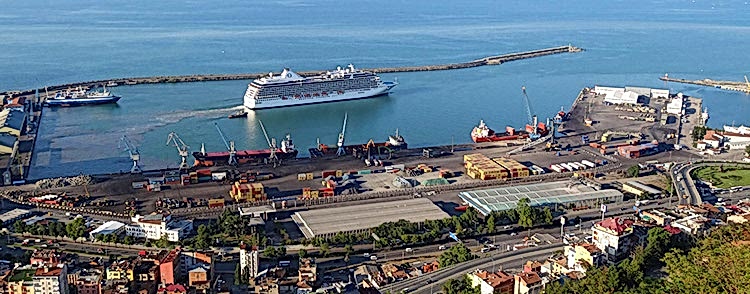
Seaway : There are no sea transport routes in the Black Sea. Cruise ships from many countries of the world come to Trabzon Port.
4 REASONS TO LIVE IN TRABZON
Uzun Göl
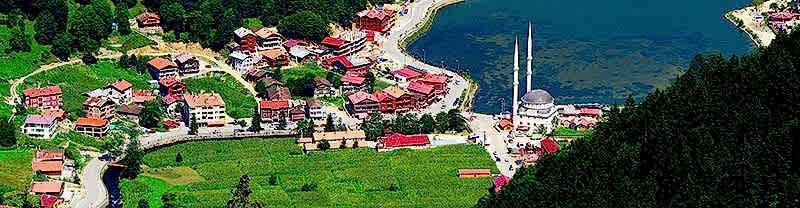
A great number of broken rocks from the slopes filled up Haldizen stream and Uzungöl was formed in this way. The lake is 1000 m long, 500 m in width and 15 m in depth. It is surrounded by forests. Uzungöl has an interesting view with the village houses around it. And there are some other small lakes on the mountains which are 15-20 km. from Uzungol. The lake is also surrounded by convenient tracks for hiking.
Sümena Monastery
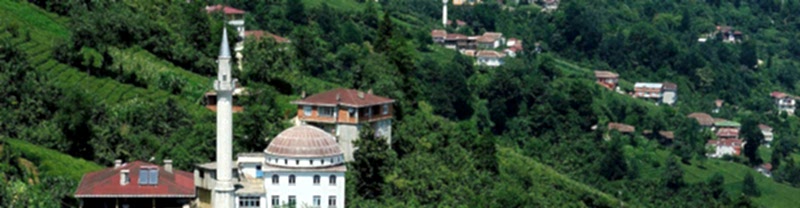
The Greek Orthodox Monastery of the Virgin Mary, better known as Sumela Monastery, is one of the Black Sea's highlights.
It has been shut for restoration though since 2015. Check the latest information in Trabzon; on our last visit locals were doubtful work would finish by the original 2018 reopening date.
Outdoor
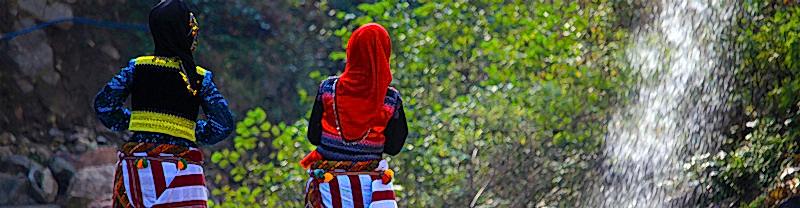
Trabzon is well known in Turkey as a destination for nature tourism and outdoor sports activities. The mountainous districts in Trabzon and neighboring Giresun and Rize provinces offer plenty options, but most areas are hardly developed for (international) tourism. However, this is also what makes the region attractive to adventurous travelers and Turkish families fleeing the hordes of tourists in Istanbul or the west coast. The beauty of Trabzon really lies in its alpine nature and remote, independent village life; Waking up in a traditional timber shed by the sound of cowbells and the scent of morning dew drawing the endless flower fields into your bed. Having fresh milk, corn bread, eggs and cooked green vegetables and spring water straight from the tap.
Trabzon Cuisine
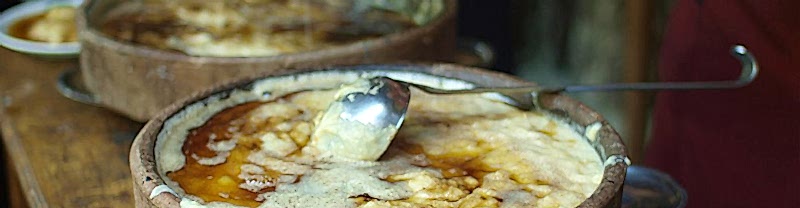
Typical ingredients for a Black Sea meal differ greatly from those of Anatolia. Vakfikebir ekmegi is the local sourdough bread similar to Italian Pane Casareccio. It is baked in a stone oven and can weigh up to 7 kg. Because the Black Sea coast is too moist for the cereals that grow so abundantly in the rest of Anatolia, the main grain variety used in rural communities surrounding Trabzon is maize. Thus cornbread is also a popular dish. Hamsi (Anchovies) are a main staple for the region. They are typically fried and eaten whole. Fishermen from Trabzon catch about one-fifth of the Turkish total. There is even an Anchovies bread (Hamsikoli). The Black Sea region grows 70% of the worlds hazelnut production, and they are also often used in dishes. Some fruits that are grown in the region are cherries, persimmon and kiwi fruit. The Black Sea cuisine is heavy on stews and soups of vegetables and beans. It also includes many dairy dishes such as Kuymak/Muhlama, fresh cow milk and Ayran, and different types of cheeses. The pide (pizza) and köfte (meatballs) of Trabzon are famous in Turkey for their distinctive taste.
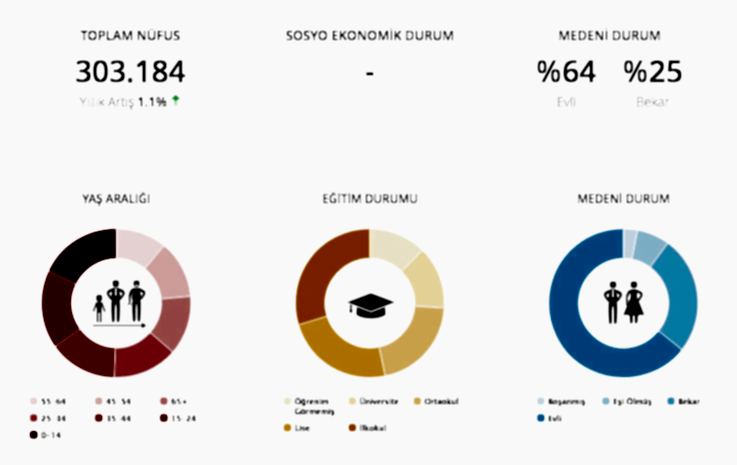
why to INVEST in trabzon
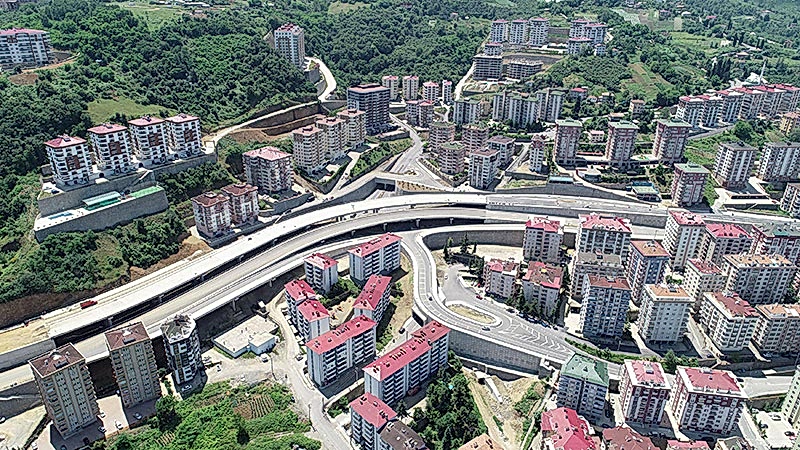
Due to the natural beauty of the area of Trabzon, it is often described as, “where green meets blue”, referring to the lush green scenery and piercing blue lakes and bodies of water. The number of visitors to Trabzon is growing year on year and there are numerous reasons why, with a serious demand for investment and property, particularly coming from the Gulf countries. Research on the area also confirms that there are continuous demands for year rentals in all manner of accommodation choices from hotels to private residencies.
PROJECTS (OFF PLAN DEVELOPMENTS)
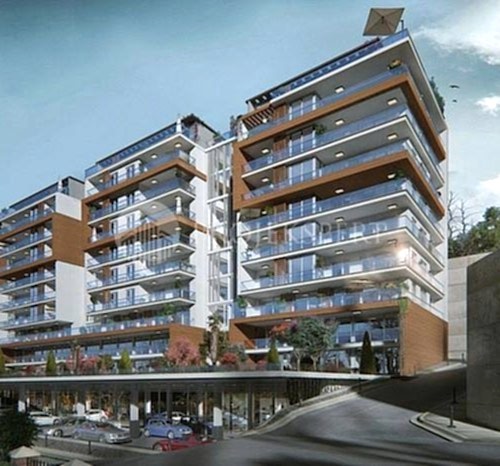
Project 325
Trabzon / Boztepe
Project Features The project, which will be implemented in Boztepe district of Trabzon, is located on 2 thousand 560 square meters land with 1,250 square meters devoted to landscape. Within the project, independent of each other and varying in square meters…
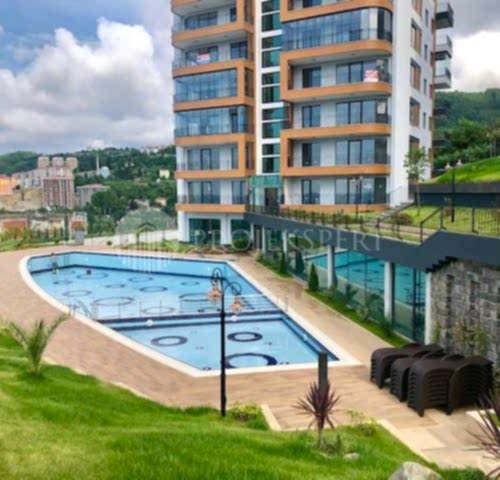
Project 324
Trabzon / Beşirli
Project Features The project has a land area of 8 630 630 square meters. The apartments in the project rise above sea views. 4 blocks of 9 floors…
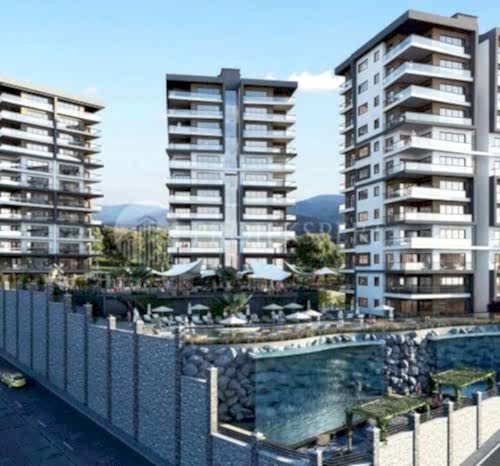
Project 323
Trabzon / Yalıncak
Project Features The project is built on a land of 6 thousand 500 square meters. The project consists of three blocks and includes 84 apartments. The project included 3 + 1 and 4 + 1 apartments. The construction area of the project…
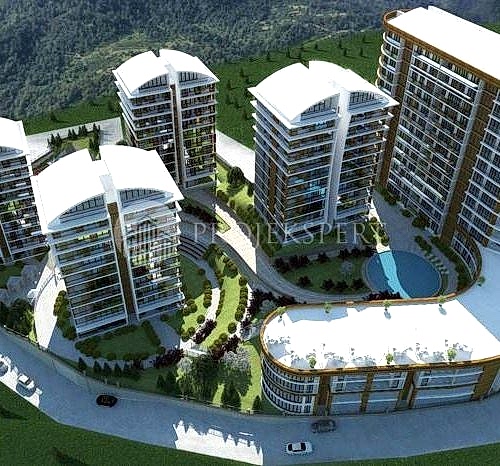
Project 322
Trabzon / Akyazi
Project Features Akyazı Ortahisar'da 10 thousand square meters on a land area is being built as 10 blocks. The project includes 150 residences. 1 + 1, 2 + 1, 3 + 1 and 4 + 1 different 4
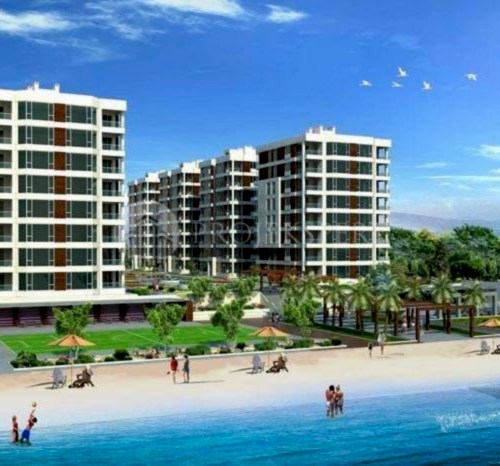
Project 321
Trabzon / Yomra
A Seafront Life Experience The houses have been designed and placed in such a way that each flat can see and live the sea view which is the biggest privilege of this land. A natural, calm and useful architectural view…